

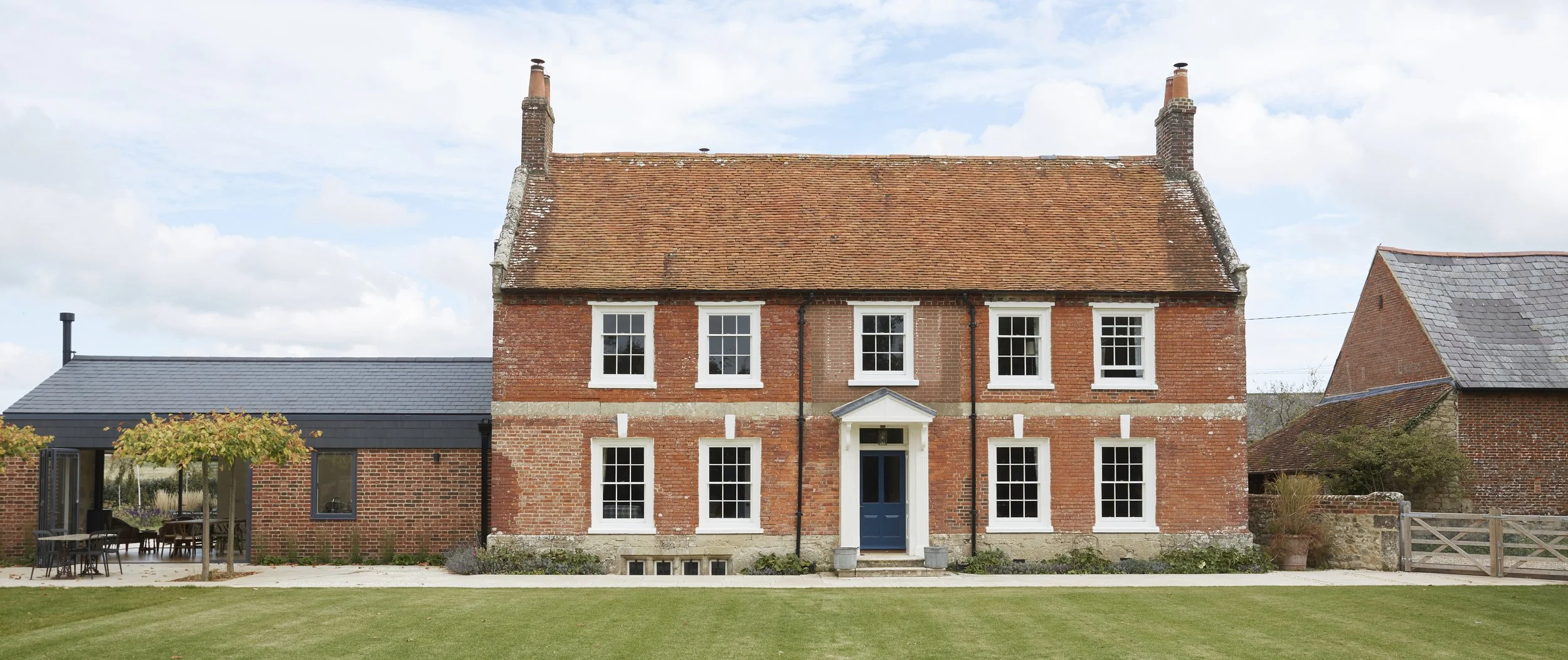
Conservation Architecture
Protecting what matters. Making it work for the future.
Historic buildings carry the character, craftsmanship and stories of the places they belong to.
Our role is to understand what makes a building significant and find thoughtful ways for it to continue to serve contemporary life.
From repair and restoration to sensitive alterations and extensions, we bring architectural experience, technical understanding and considered judgement to projects where the past and the future need to work together.
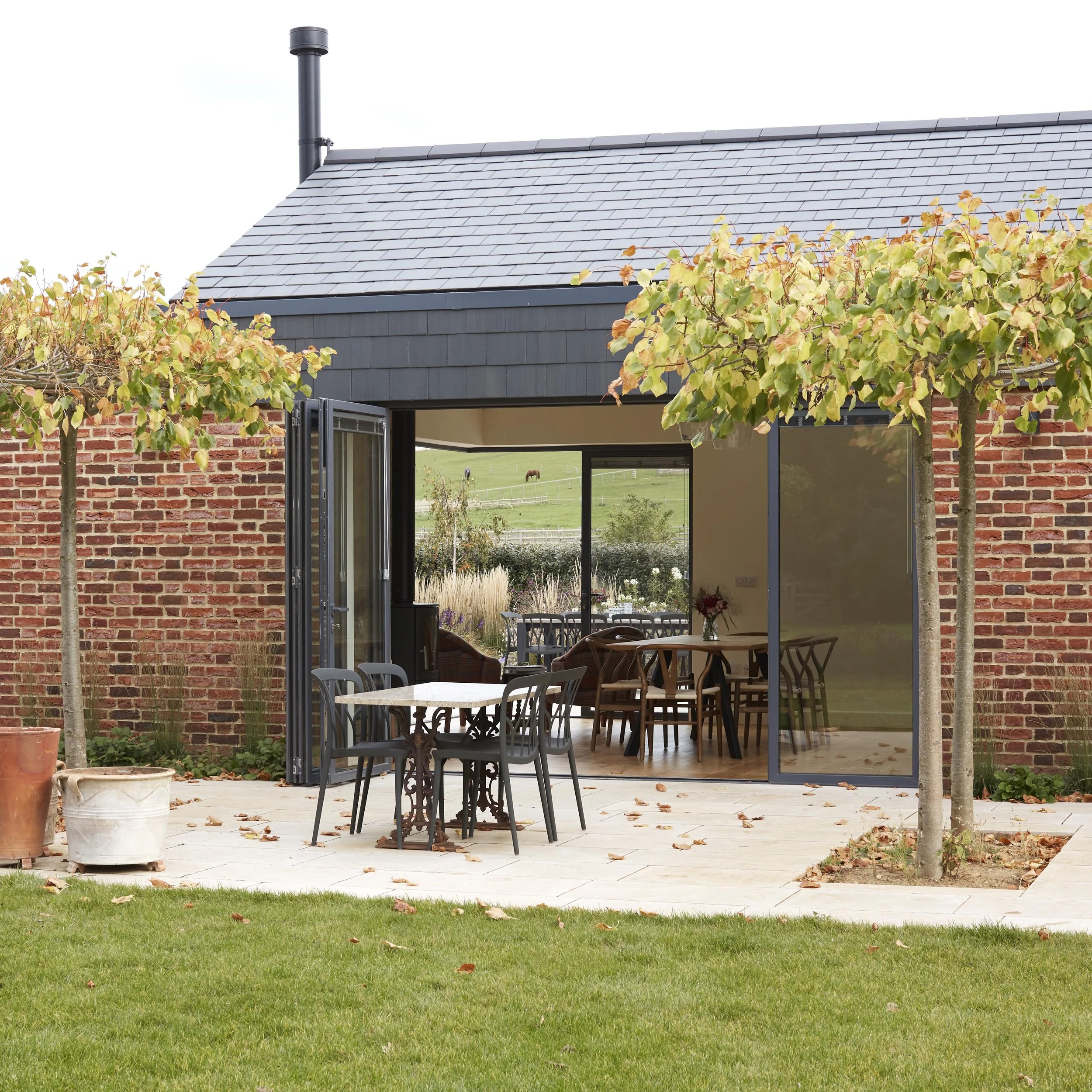
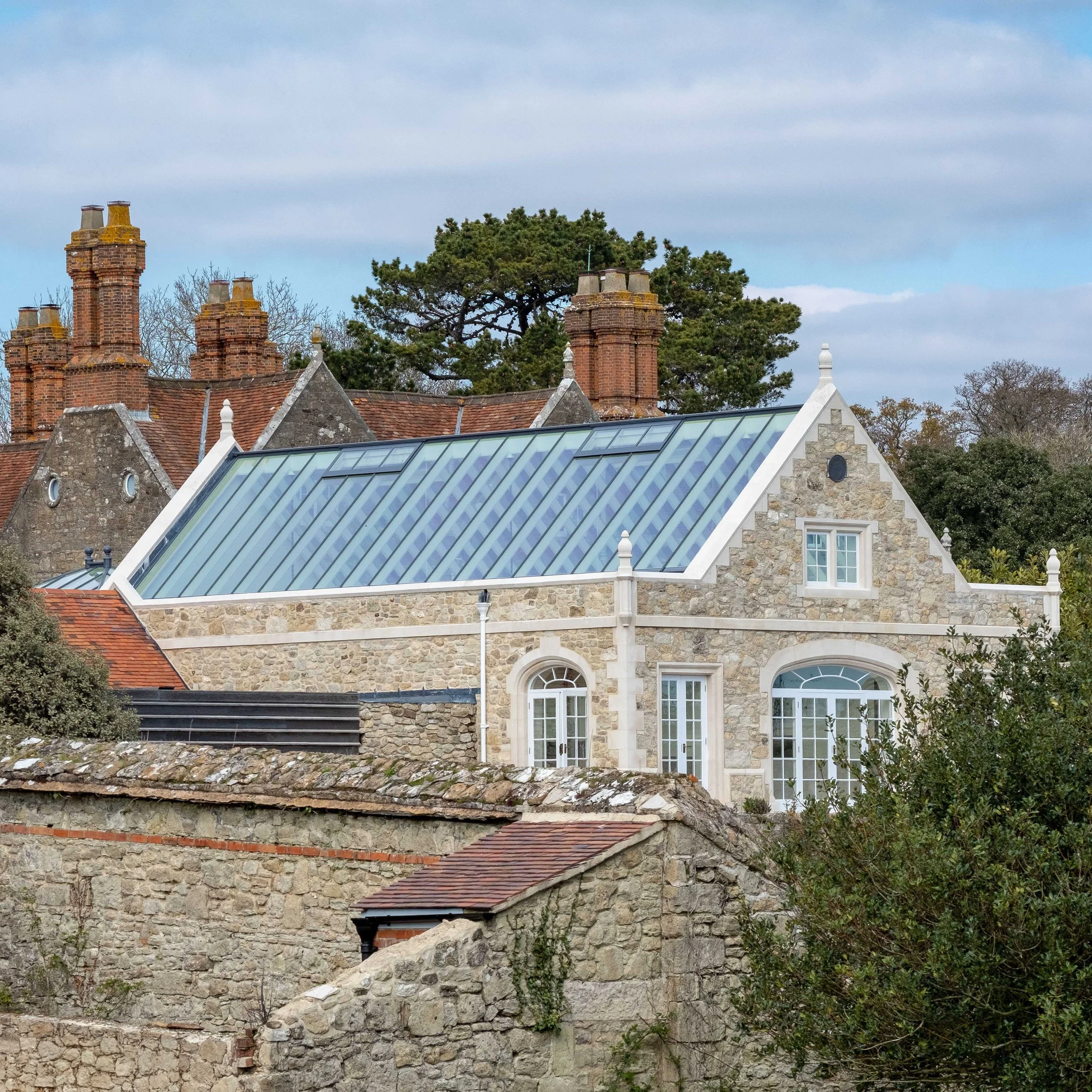
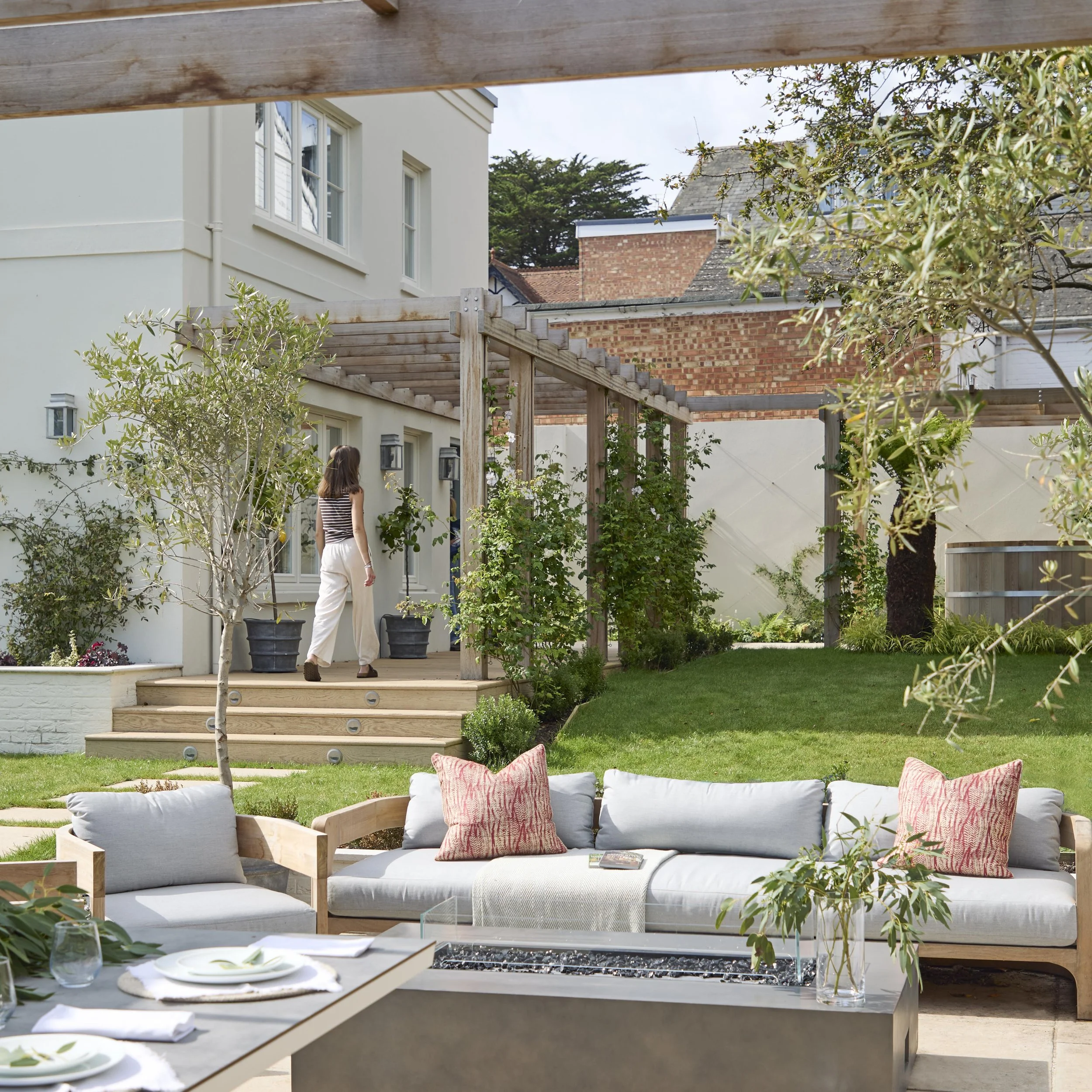
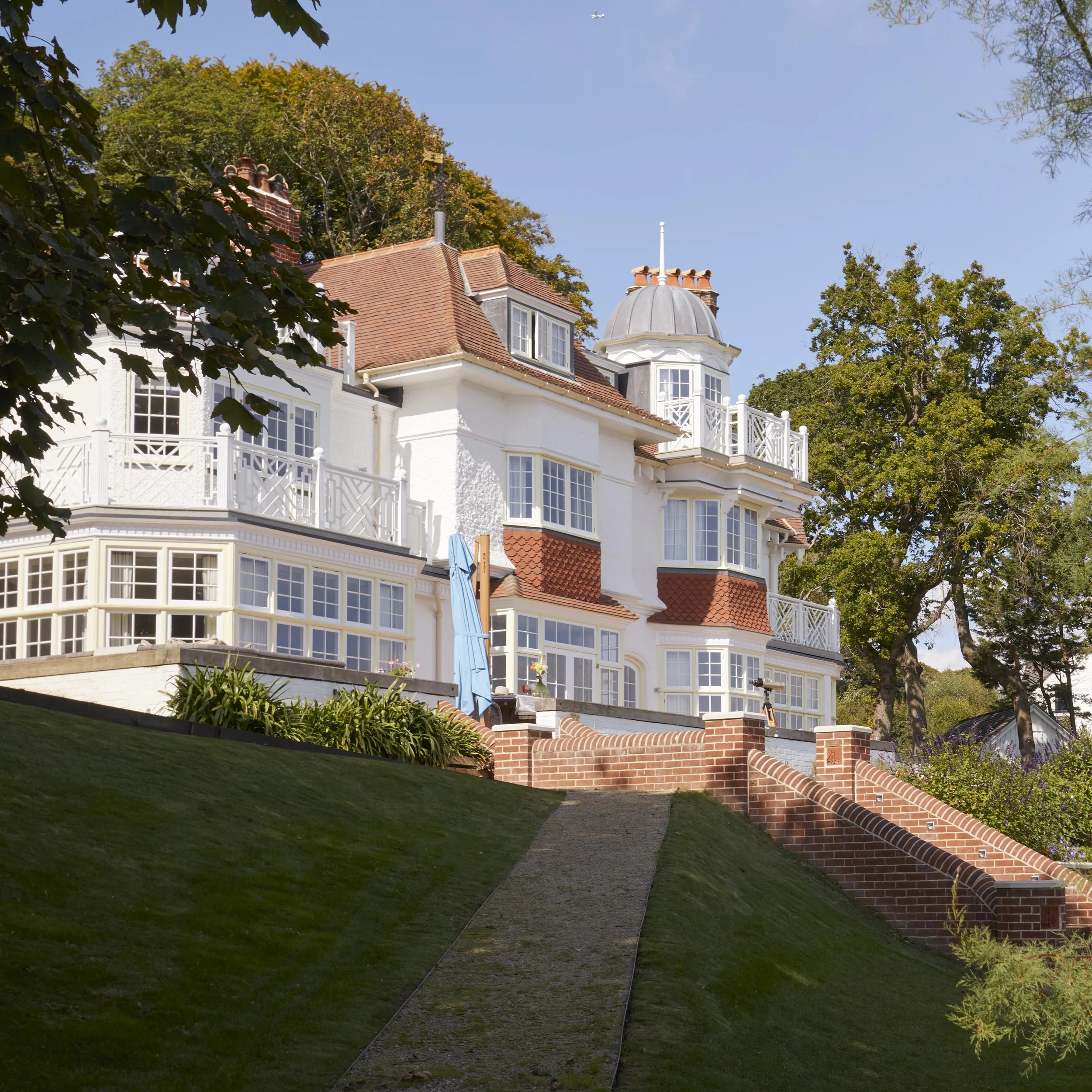
Respecting the past without being trapped by it.
Every historic building is different. Its significance may lie in its architecture, materials, craftsmanship, plan form, history or relationship with the surrounding landscape.
Some buildings need careful repair and restoration. Others need sensitive adaptation, or carefully considered additions that allow them to meet modern expectations while retaining their historic character.
The right response begins with understanding the building, its significance and the changes that can be accommodated without compromising what makes it special.
We don't believe there is one formula for working with historic buildings. Each requires its own considered response.
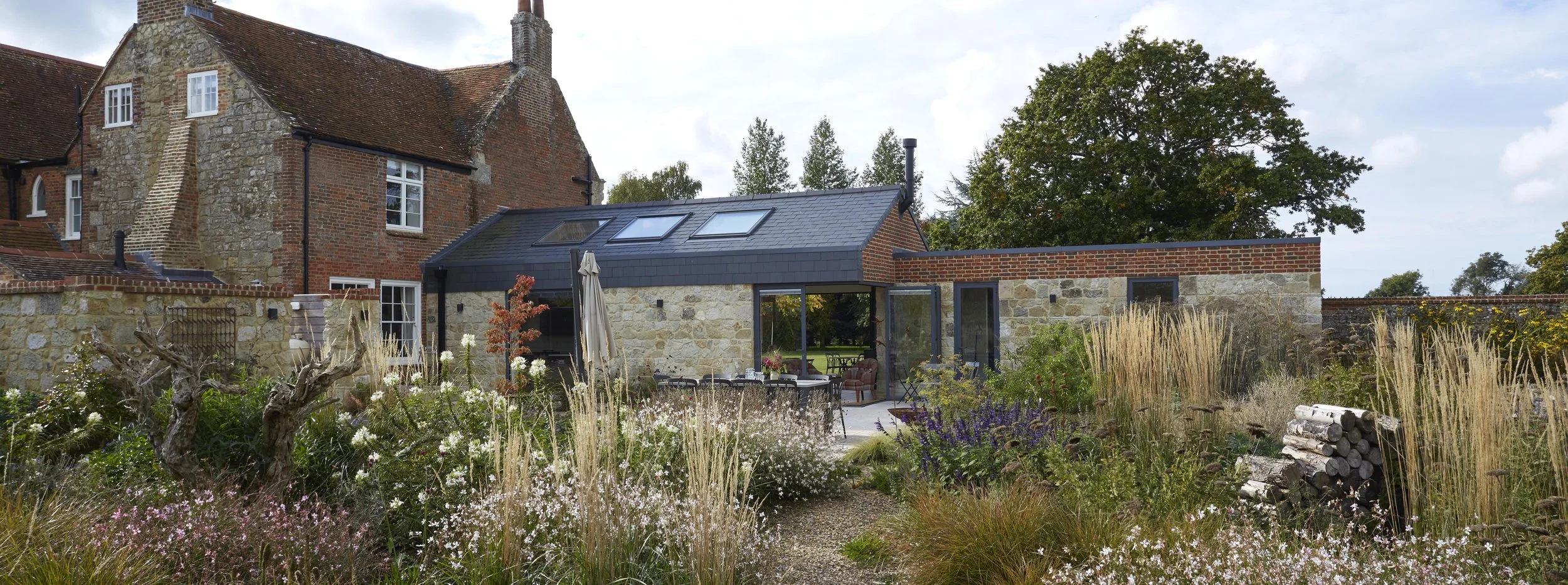
Giving a building a future without losing what makes it worth preserving.
One of the greatest challenges in conservation is reconciling the requirements of modern life with the qualities that make an historic building special.
Depending on the building and what is appropriate, this may involve:
Sensitive alterations and extensions.
Repair and restoration.
Modern kitchens and bathrooms.
Improved circulation and accessibility.
Upgrades to building services and technology.
Considered improvements to thermal performance.
Energy-efficient systems where suitable.
Contemporary spaces that respect the character of the original building.
The objective is neither to make an old building look new nor to turn it into a museum. It is to find the right balance between continuity and change.
Careful design. Clear advice. Informed decisions.
Heritage projects often involve complex planning considerations, specialist advice and several stakeholders. The significance of the building, the setting and the proposed changes all influence what may be appropriate.
Our experience includes work involving listed buildings, conservation areas, historic properties, country estates, sensitive rural locations and coastal heritage.
We understand the importance of establishing the heritage context, identifying constraints early and engaging with the relevant planning and conservation considerations as the design develops.
Careful communication and sound judgement are central to this process.
A considered route from understanding to intervention.
Our conservation architecture service can be tailored to the needs and significance of each building.
Depending on the project and agreed appointment, our involvement may include:
Historic building appraisal and analysis.
Heritage considerations and conservation strategy.
Advice on listed buildings and sensitive settings.
Sensitive alterations and extensions.
Repair and restoration design.
Planning and Listed Building Consent applications.
Coordination with heritage consultants and other specialists.
Technical design and construction information.
Construction-stage involvement, where appointed.
The appropriate approach depends on the building, the proposed changes and the evidence needed to support them. Where specialist heritage or archaeological input is required, we can work with the relevant consultants as part of the wider team.
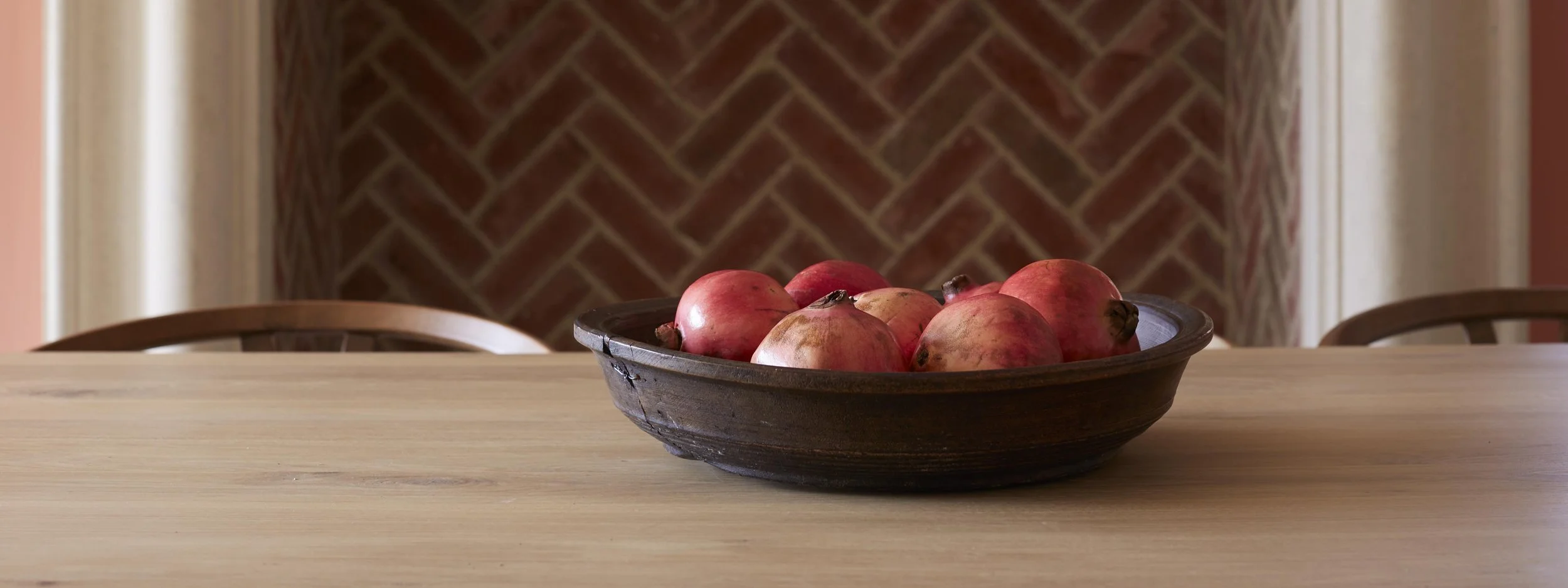
Protecting the past and designing for the future are not mutually exclusive.
We don't see heritage constraints simply as restrictions. They can reveal opportunities to understand a building more deeply and make better design decisions.
Existing materials can inform new ones. Historic proportions can influence contemporary spaces. Carefully designed additions can sit alongside original fabric without competing with it.
A successful intervention respects what came before while allowing the building to remain useful, valued and cared for.
The aim is not change for its own sake, but change that is justified, carefully considered and appropriate to the building.
Considering changes to a historic or listed building?
Whether you are planning repairs, exploring an extension or looking at how a historic property can work better for the future, an early understanding of the building and its constraints can make a real difference.
Let's discuss the building, what you hope to achieve and the most appropriate way forward.